This post may contain affiliate links. If you buy through them, StashGamer may earn a commission at no extra cost to you — this never affects our editorial opinions. See our advertising & affiliation policy.
Verdict
DXRacer remains our top pick under $400: the racing-inspired build is genuinely solid and the price is right, but the lumbar support takes real adjustment before it clicks — and it never quite matches the built-in systems on pricier chairs.
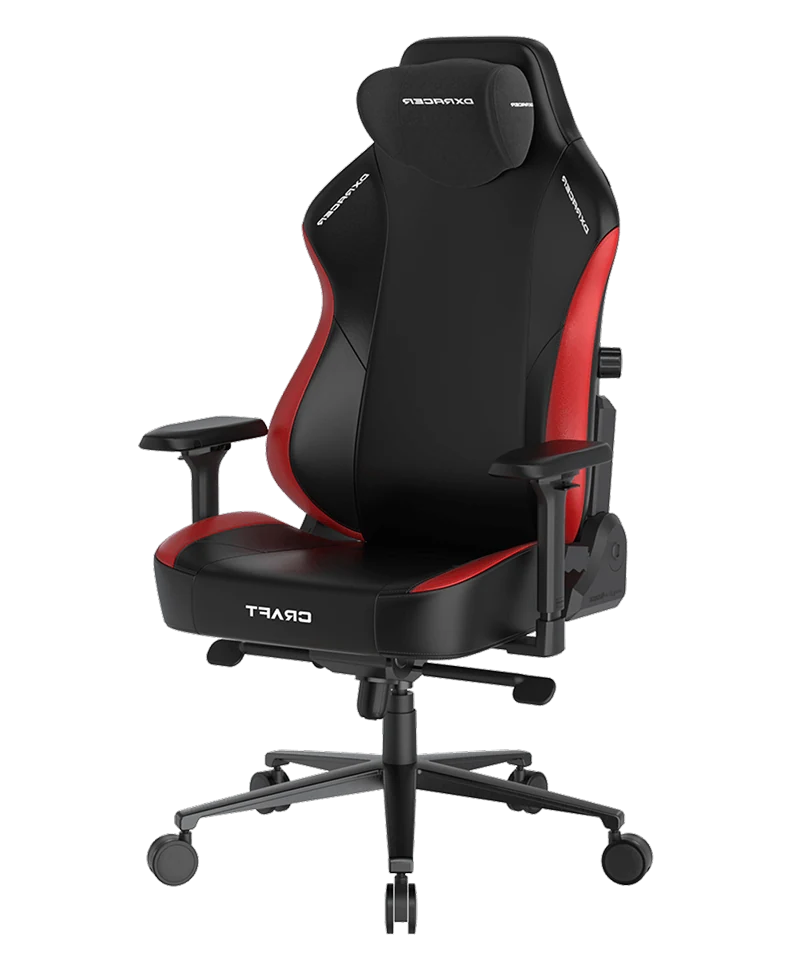
Not everyone needs — or wants to pay for — a $600 gaming chair. DXRacer has spent years building a reputation on exactly that gap, and its lineup remains one of the first names that comes up when someone asks for a solid chair without a premium price tag. We put a mid-tier DXRacer through several weeks of regular use to see where it actually lands.
What you get for the price
DXRacer's lineup spans a wide range, from entry models around $309-380 with a lumbar pillow and adjustable headrest, up through mid-tier options like the Craft series starting near $470 and premium models pushing past $650 with electric lumbar systems. The sweet spot for most buyers sits in the $350-450 range, where you get the racing-style bucket seat design DXRacer is known for, a reasonably wide recline range, and PU leather or fabric upholstery that looks and feels far better than the price suggests at first glance.
Assembly is straightforward and comparable to most chairs in this category — expect around 30-40 minutes with the included tools, and it's manageable solo, unlike some heavier premium frames.
Comfort: strong out of the gate, with one real caveat
The racing-inspired bucket shape does a good job of holding you in place, and the bolstered side panels give a sense of containment that some flatter chair designs lack. For sessions in the two-to-four-hour range — which covers most casual and moderately heavy gamers — it's genuinely comfortable, and the padding density feels well judged rather than either too soft or too firm.
Where it takes some getting used to is the lumbar support. On the model we tested, support comes via an adjustable lumbar cushion rather than a chair with a fully integrated, depth-adjustable mechanism. That's standard for this price bracket, but it means the exact position and angle of support depends entirely on how you place the cushion — and getting it right isn't intuitive on day one. We spent close to two weeks repositioning it before landing on a setup that felt right for our lower back, and even then, it never disappeared into the background the way an integrated system does. Some testers on our team adjusted to it quickly; others kept fiddling with it on and off for over a month.
This is the honest trade-off of buying in this price range: you're getting a chair that handles the basics well, but the lumbar experience requires more patience and more manual tuning than a pricier alternative with a built-in system.
How it holds up over longer sessions
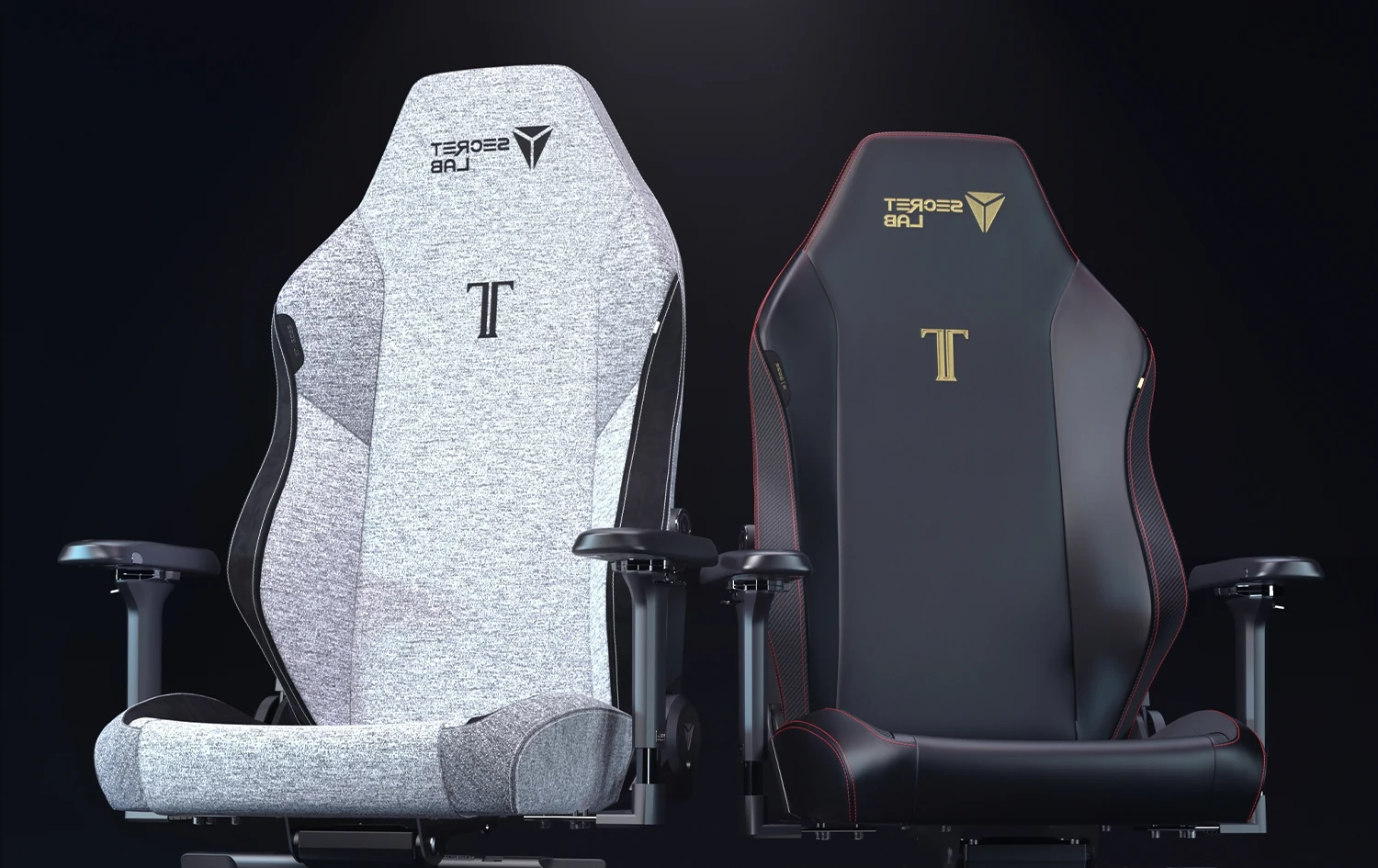
Past the four-to-five-hour mark, the gap with premium chairs becomes more apparent. The cushioning that felt ideal for a two-hour session starts to feel slightly less supportive by hour six, and without an integrated lumbar system to fall back on, lower-back fatigue creeps in earlier than it does on chairs like the Secretlab Titan Evo. That's not a knock specific to DXRacer so much as a reasonable expectation for the price bracket — you're not paying for all-day ergonomic precision, and it shows exactly where you'd expect it to.
The armrests are another area where the price shows. They're adjustable, but the range and the locking mechanism feel less refined than on pricier chairs — fine for finding a comfortable resting position, less so if you want to fine-tune elbow height down to the millimeter.
Build quality and day-to-day durability
On the plus side, the frame itself feels sturdy, the casters roll smoothly on both carpet and hard flooring, and the stitching on our test unit showed no early signs of wear. DXRacer has clearly put more of its budget into the structural build than into premium materials or adjustability — which is arguably the right call for a chair in this price range, since a frame that loosens or creaks over time would be a far bigger problem than armrests that aren't perfectly dialed in.
Who this chair is actually for
If your budget caps out around $400 and you're using the chair for two to four hours a day of casual gaming, DXRacer is a smart, low-regret choice. It won't disappear under you the way a premium chair does on a 7-hour day, and the lumbar cushion requires a genuine adjustment period, but the core comfort, the racing-inspired build, and the price all line up sensibly for that use case. If you're already looking at 6+ hours a day in the seat, the gap with something like the Titan Evo becomes real enough that it's worth stretching the budget if you can.
The verdict
DXRacer earns its reputation as the strongest entry-level pick we tested. It's not trying to compete with premium chairs on precision or all-day ergonomics, and it shouldn't be judged against them directly — but for anyone shopping under $400, it delivers a solid, well-built chair with one real friction point: a lumbar cushion that takes patience before it clicks, and never quite matches a built-in system once it does.
Rating: 7.2/10 — The best budget pick we tested, held back by lumbar support that needs real adjustment time.
Pros
- Best comfort-to-price ratio of any chair we tested under $400
- Racing-style build feels sturdy and well-stitched out of the box
- Good width and recline range for the price bracket
- Wide range of models across budget tiers, from $309 up
Cons
- Lumbar support takes a few weeks to feel right and isn't for everyone
- Materials and armrest adjustability feel a step below premium chairs
- Less refined long-session comfort past the 4-5 hour mark